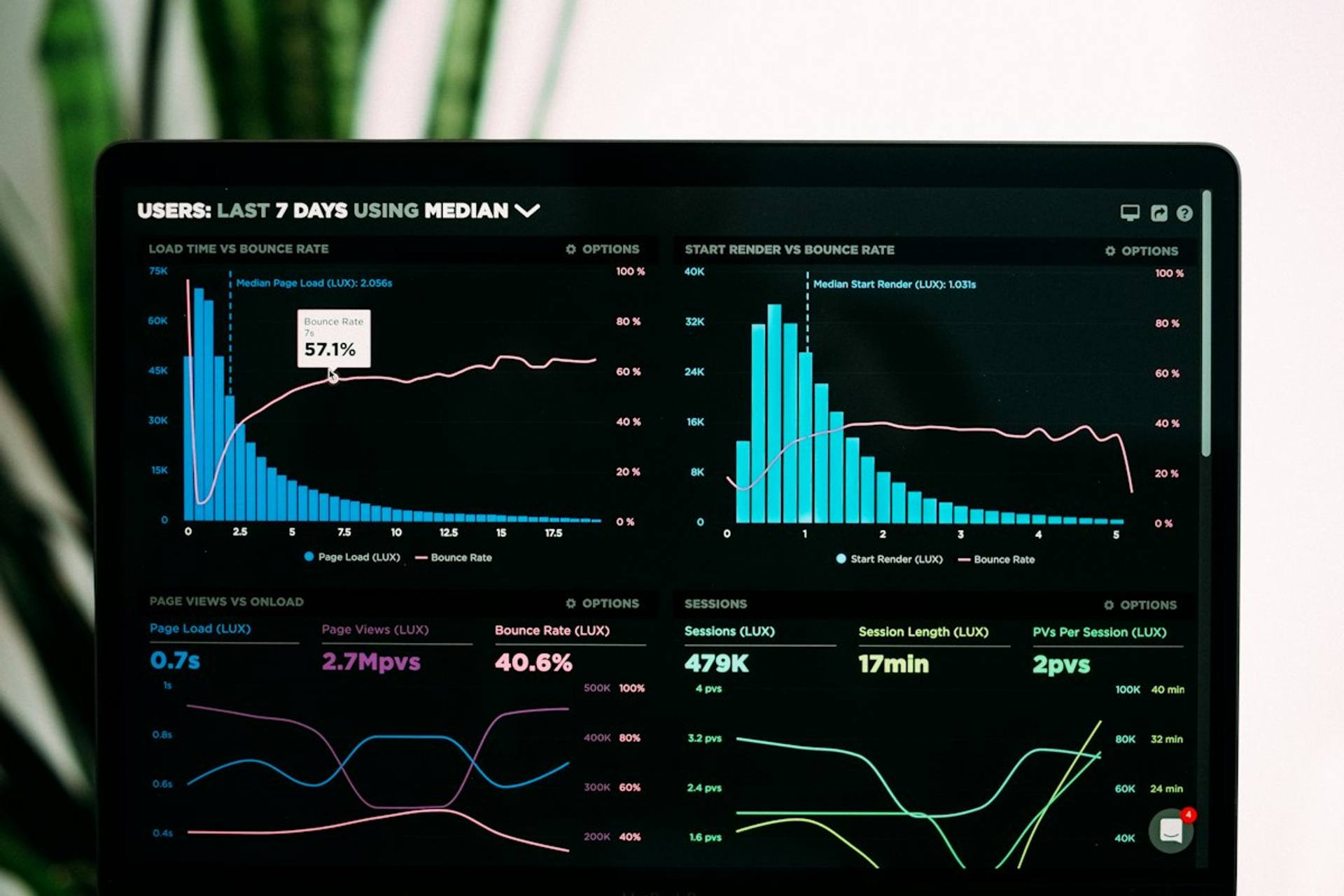
Next.js App Router delivers 95–100 mobile Lighthouse scores by rendering static and server-only UI at build time or edge-cached ISR windows, shipping zero unnecessary JavaScript for static sections, and self-hosting fonts and responsive CDN imagery automatically.
Why Traditional React SPAs Struggle on Mobile SEO
Single-Page Applications (SPAs) built with plain client-rendered React ship an empty HTML shell plus a large JavaScript bundle. Search crawlers and visitors on slower 4G mobile connections wait seconds while the browser downloads, parses, and hydrates everything before painting meaningful content — driving up Largest Contentful Paint (LCP) and bounce rates.
Next.js App Router reverses this model: server rendering is the default, while interactive UI widgets opt in selectively with "use client".
5 Architectural Pillars Behind 99+ Lighthouse Speed
1. Server Components Keep Zero-Interaction Markup Out of Client JS
Navigation wrappers, blog articles, pricing tables, FAQ sections, and schema scripts execute on the server during build or Incremental Static Regeneration (ISR). Visitors receive fully formed HTML immediately without downloading Markdown parsers, database clients, or formatting utilities to their browser.
2. Incremental Static Regeneration (ISR) & Tagged Cache Revalidation
Dynamic business pages — like a portfolio grid or 50+ SEO blog guides — do not need database round-trips on every visitor request. By pairing revalidate windows with revalidateTag("blogs") inside admin write endpoints, pages serve instantly from CDN edge caches while updating within seconds whenever new content is published.
3. Zero-Cost `next/font` Self-Hosting Eliminates Layout Shift (CLS)
External font stylesheets force extra DNS lookups and trigger visible text flashing. Self-hosting typography through next/font/google downloads subsets at build time, serves compressed WOFF2 files from your own origin, and computes fallback size-adjust metrics automatically for a 0.00 Cumulative Layout Shift score.
4. Purpose-Built Image CDN Pipelines (AVIF / WebP)
Large uncompressed PNG hero graphics destroy LCP scores. Routing images through an ImageKit custom loader (f-auto, quality tuning, responsive sizes) ensures desktop displays get crisp 1200px+ visuals while mobile visitors download compact 40 KB AVIF/WebP payloads.
5. Lightweight Motion Over Bloated Animation Bundles
Shipping massive third-party animation libraries for simple scroll fades hurts Total Blocking Time (TBT) and Interaction to Next Paint (INP). Combining a single shared IntersectionObserver with GPU-composited CSS transforms (opacity, translate3d) yields silky 60fps reveals with under 2 KB of client logic.
Architecture Comparison for Business Websites
| Performance Metric | Legacy WordPress Theme | Client React SPA | Optimized Next.js App Router |
|---|---|---|---|
| Time to First Byte (TTFB) | 600–1400 ms | 80–200 ms | 20–70 ms (Edge Static/ISR) |
| Largest Contentful Paint (LCP) | 3.2–5.5 s | 2.6–4.0 s | 0.7–1.4 s |
| Cumulative Layout Shift (CLS) | 0.12–0.30 | 0.05–0.15 | 0.00–0.01 |
| Client JS Payload (Home Page) | Heavy plugin scripts | 250–450 KB+ | Lean selective islands |
| Crawlable SEO HTML on Load | Mixed / bloated DOM | Empty root div initially | Clean semantic HTML |
Practical Optimization Checklist Before Launching Any Next.js Site
- 1Keep
"use client"boundaries small — wrap interactive buttons, sliders, and forms without turning whole page wrappers into Client Components. - 2Preconnect only critical origins and self-host Google Fonts via
next/font. - 3Defer analytics and chat widgets until hydration completes so the main thread stays unblocked during initial paint.
- 4Set explicit
sizesand dimensions on every<Image />element to eliminate layout jitter. - 5Audit your production bundle using
npm run buildand PageSpeed Insights on Mobile 4G throttling (not just fast office Wi-Fi).
Frequently Asked Questions
Does Next.js App Router help Google rank websites higher?
Google does not rank a framework by name, but Google rewards Core Web Vitals, clean semantic HTML, zero render-blocking bloat, structured JSON-LD metadata, and reliable indexation — all areas where Next.js App Router excels over bloated templates.
Is Next.js suitable for small business websites, or only tech startups?
Next.js works exceptionally well for local businesses, service providers, e-commerce stores, and agencies because static/ISR pages cost virtually nothing to host while delivering enterprise-grade speed and security.
Can non-technical business owners still manage blogs and projects on a Next.js site?
Yes. Paired with a lightweight custom MongoDB Admin Panel (like the one built into our client projects), you can publish SEO blogs, edit portfolio projects, and track form leads visually without writing a single line of code.
How can I check if my current website has Core Web Vitals bottlenecks?
Run your homepage and top service URLs through PageSpeed Insights (mobile tab) or check the Core Web Vitals report inside Google Search Console, or request a full audit alongside our website development and technical SEO services.
Conclusion
Modern customers rarely wait three seconds for a slow business site to load. Engineering on Next.js App Router turns website speed into an unfair competitive advantage across both organic search and paid acquisition.
Want to upgrade an existing slow website or launch a sub-second build? View our Next.js web development services or contact Ayush Jha for a performance audit.